

Smart Garments Solutions for Faster Work and Accurate Results
Garments industry in Bangladesh is one of the largest in the world, known for its massive production and global exports. With thousands of products moving daily
through factories, warehouses, and shipment channels, accuracy and speed are essential. Modern hardware solutions like
industrial printers, barcode systems, RFID technology, and scanning devices play a big role in ensuring efficiency. These tools
help manufacturers track inventory, manage shipments, improve security, and reduce human errors. Let’s look at how each product brings value to the garments
industry.
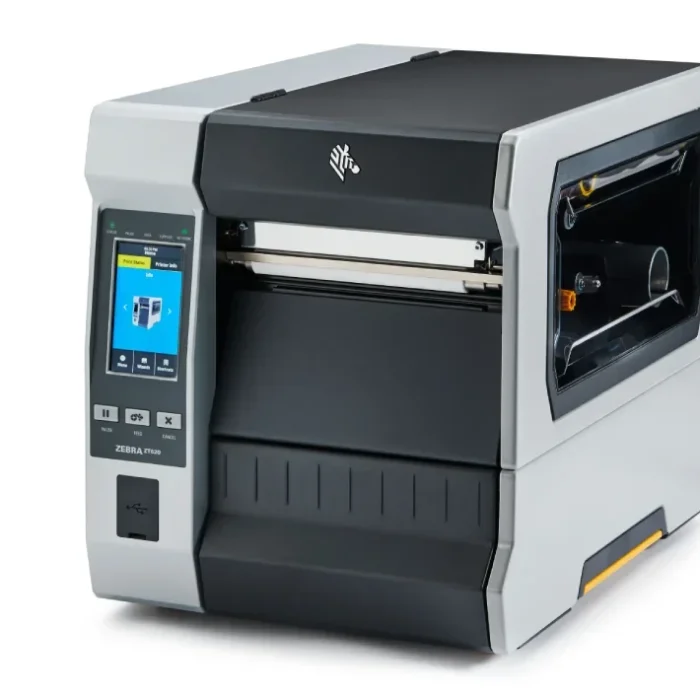
Industrial Printer – High-Volume, Trustworthy Printing for Garments
In the garments industry, labeling is a nonstop task. From printing carton labels for export to fabric tags and shipping documents, the need is continuous. An industrial printer is designed to handle this heavy workload with speed and persistence.
Unlike desktop printers, industrial printers can work round the clock in tough factory environments. They produce clear and accurate labels that meet international export standards. This makes sure that every carton, box, or product can be copied properly from the factory floor to the buyer’s warehouse abroad. By reducing downtime and errors, industrial printers save both time and money while ensuring smooth garment production and export.
Barcode Sticker – Simple Yet Powerful for Tracking
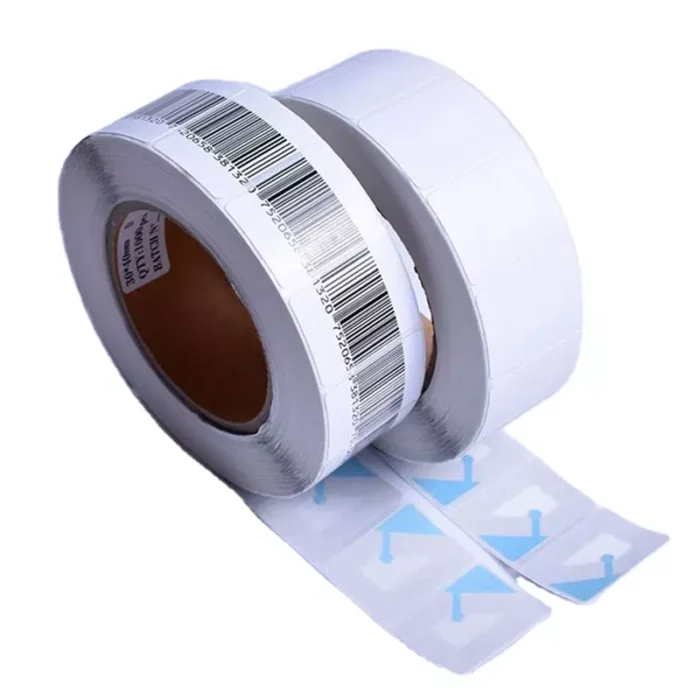
Barcode stickers are a must-have in garments factories. Every item, either it’s a piece of fabric, a finished shirt, or a shipping box, can be labeled with a barcode sticker for easy tracking.
With a quick scan, workers can update inventory records, track production stages, and prepare shipments accurately. This reduces mistakes such as misplaced items or wrong deliveries. Barcode stickers are also cost-effective, easy to use, and compatible with scanners and software systems. For export-oriented garments businesses, they provide the foundation of traceability, which is critical for meeting buyer requirements.
Ribbon – Long-Lasting and High-Quality Printing
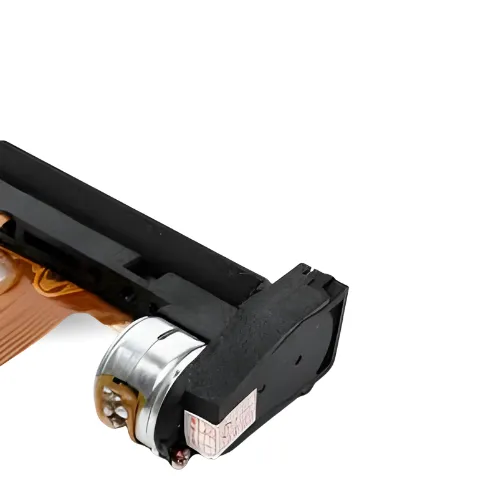
A ribbon is used in thermal transfer printers to produce high-quality, durable labels. In the garments sector, labels must survive handling, shipping, and sometimes even washing. Ordinary printing may fade, but labels made with high-quality ribbons remain readable for a long time.
Using the right ribbon ensures that barcodes, text, and graphics are printed clearly. This is especially important for export shipments where international buyers require strict labeling standards. Durable printing also means fewer reprints, saving cost and time for garment factories.
Hard Tag – Essential for Anti-Theft Protection
The garments industry faces challenges not only in production but also in retail showrooms. Hard tags are widely used in garment shops to prevent theft. These security tags are attached to clothes and can only be removed at the counter after purchase.
By using hard tags, garments retailers can protect their products from shoplifting, which is a common problem in busy markets. For manufacturers who run factory outlets, this adds an extra layer of security and reduces financial losses. Hard tags also build trust with retail partners, as they ensure safer product handling from factory to store.

RFID Tag – Smarter Tracking for Large Inventories
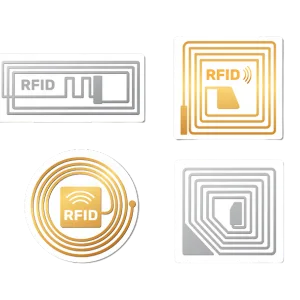
RFID (Radio Frequency Identification) tags are becoming popular in the garments industry because they allow faster and more advanced tracking than traditional barcodes. Unlike barcodes that need to be scanned one by one, RFID tags can be read in bulk using an RFID reader.
This is extremely useful in garments warehouses where thousands of products need to be checked quickly. RFID tags speed up stock counting, reduce errors, and improve shipment accuracy. For large export orders, RFID makes it easier to track every single product within seconds, saving huge amounts of time during audits and inspections.
RFID handheld reader – Fast and Accurate Data Collection
An RFID reader gun is a handheld device that scans multiple RFID tags at once. In a garment warehouse, workers can simply point the reader gun at racks or cartons and instantly collect data.
This reduces the need for manual counting, which is slow and prone to mistakes. RFID reader guns are also portable, meaning workers can move around large warehouses and still capture accurate inventory data. For garments factories managing millions of pieces per month, this tool ensures faster operations and reliable tracking, which are crucial for meeting shipment deadlines.

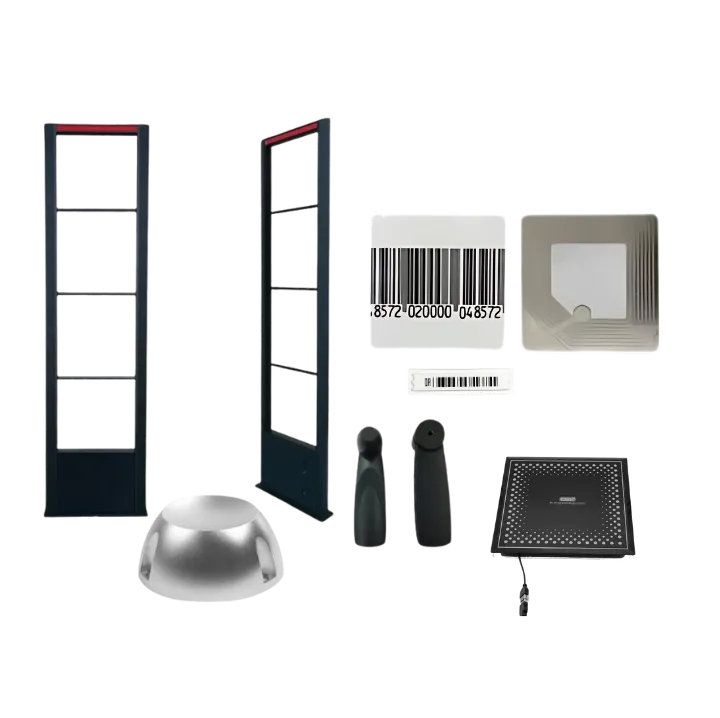
EAS Security System – Protect Your Store from Theft
Because clothing is easy to cover and conceal, it is a common target for theft. An EAS security system helps protect your store by placing small security tags on every item. If a customer attempts to exit the store without completing the payment, a gate alarm triggers notifying store attendants.
Fashion retailers use EAS security systems because they subtly and quietly prevent theft without interrupting the shopping experience. Your customers enjoy the freedom to shop, while your customer service representatives don’t have to look out for theft. EAS systems efficiently and discreetly prevent your store from suffering heavy financial losses.
BACKGROUND VIDEO
Phasellus a ac hac turpis accumsan erat a consectetur lorem ultricies aliquam parturient molestie ut dui vestibulum ullamcorper enim a phasellus. Hendrerit laoreet in vel a et primis scelerisque iaculis.
All Systems Working Together for Garments Efficiency
The true value of these products is seen when they are used together. For example, an industrial printer prints labels with ribbons, barcode stickers are applied to products, and scanners update the system with real-time data. RFID tags and reader guns provide bulk tracking, while hard tags secure products in retail outlets. Together, they create a smart ecosystem that reduces waste, saves time, and ensures garments factories run smoothly.
Final Thoughts – Smarter Tools for a Global Industry
The garments industry in Bangladesh depends on speed, accuracy, and meeting global standards. Tools like industrial printers, barcode systems, RFID technology, and secure tags help factories work faster and more efficiently. These solutions make it easier to maintain quality, meet shipment deadlines, and keep products safe during the supply chain.Today, using these technologies is not a choice but a must to stay ahead in the global garments market. With the right tools, garment factories can reduce mistakes, cut costs, and deliver better service to buyers worldwide.