

Smart Technology Solutions for Hospitals in Bangladesh
Modern hospitals in Bangladesh face a constant challenge. They need to provide fast and organized patient care while
managing thousands of records every day. Handling patient data, tracking medical supplies, and ensuring smooth service require the right tools.
Smart hardware solutions can significantly improve hospital efficiency, from identifying patients to automating data
entry. Let’s explore how each of these devices helps hospitals operate effectively and deliver better healthcare services.
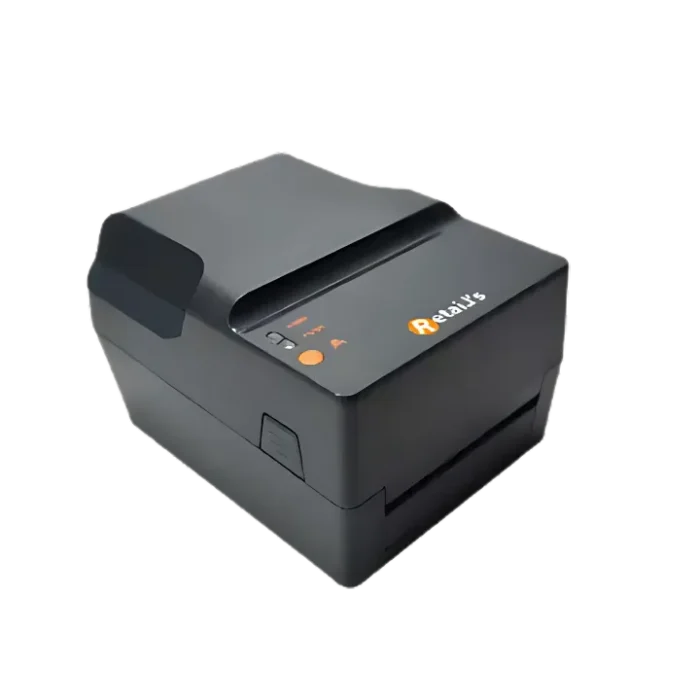
Barcode Printer – Printing Vital Hospital Labels
In a hospital, a barcode printer is one of the most vital equipment. It enables hospital personnel to design unique barcode stickers for wristbands, lab samples, tags for medical equipment, and even for packaging medicines.
For instance, during admission, a wristband with a unique barcode is issued. During check up, the barcode on the wristband is scanned to confirm identification for administering medicine, during lab tests, and in the pharmacy. The same process can be used to label blood and urine tests, enhancing tracking and ensuring the precision of the test results.
Hospitals are able to enhance patient safety, streamline workflows, and reduce errors by employing a barcode printer. It also ensures that the hospital maintains a professional standard by upholding uniformity in the labeling processes.
Barcode Scanner – Fast and Accurate Patient Data Access
In a congested healthcare facility, every second counts. With a barcode scanner, clinicians and administrative personnel can access a patient’s profile by simply scanning the barcode on a wristband or a label on the file.
As an example, the patient’s history, prescriptions, and test results can be accessed electronically rather than searched for manually, reducing the time needed. In addition, this minimizes the likelihood of providing the wrong medication and guarantees that the patient is charged correctly.
Hospital pharmacies also utilize barcode scanners to validate medicine labels ensuring that the proper medicine is issued to the right patient. Scanners also ensure that samples are tracked during every step of the process starting from collection to reporting in laboratories to prevent loss of information.

Barcode Sticker – Easy and Organized Hospital Labeling
In hospital management, a barcode sticker is a quintessential example of a simple yet effective tool. It is a label that contains a unique barcode, which serves uniquely for identification and tracking. Hospitals utilize barcode stickers for patients’ and staff files, lab test tubes, pharmaceuticals, blood bags, X-ray envelopes, among others.
The use of barcode stickers ensures that all items have unique identifiers. This greatly mitigates mix-up errors, which are common in large hospitals with hundreds of daily samples and prescriptions.
Due to the waterproof and durable nature of these stickers, they withstand exposure to the hospital’s chemicals, cold storage, and the rigors of constant handling. With clear printing and easy application, barcode stickers ensure smooth and error-free hospital operations.

Patient ID Card – Reliable Patient Identification
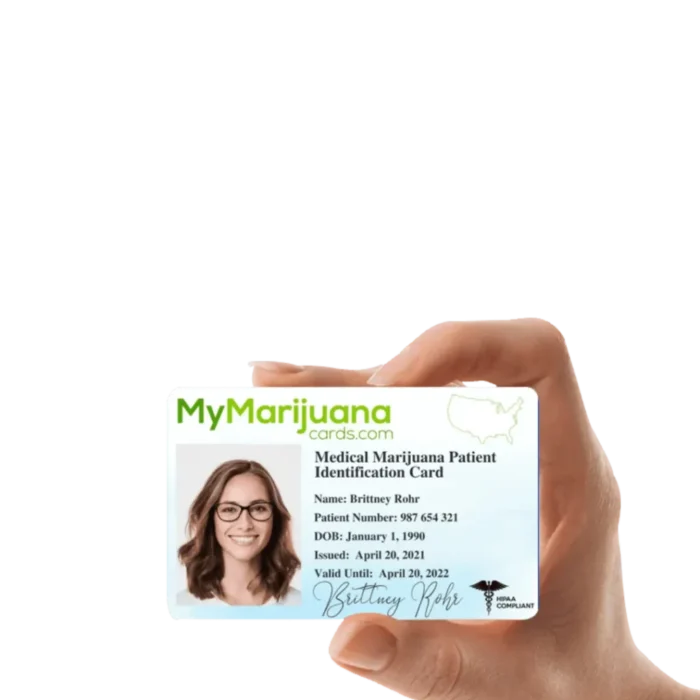
Just as with any other operational system within a hospital, a patient ID card serves a very specific role in patient care workflows. Unlike temporary wristbands, ID cards facilitate easier identification for long-term patients or repeat visitors who come for regular check-ups
Staff or hospital personnel can freely scan a patient’s profile, medical history, and appointments, with a single scan of the barcode or QR code printed on the card. The card itself contains vital information such as the patient’s name, photo, ID number, and a barcode or QR code.
Kiosk Display – Self-Service and Faster Check-Ins
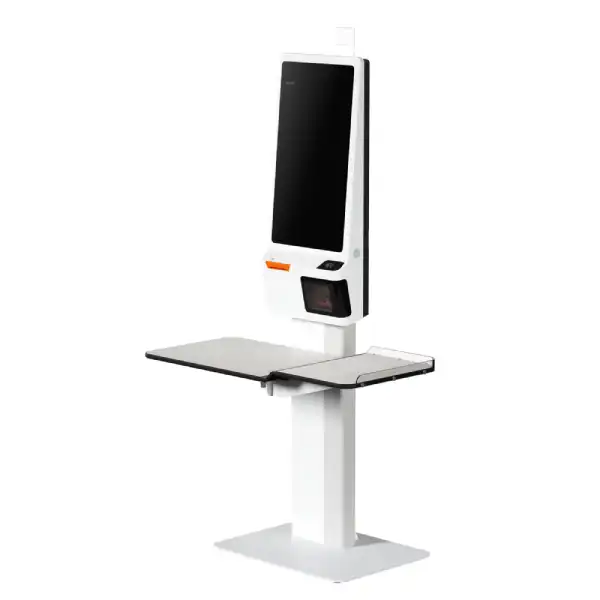
A kiosk display is a self-service interface which allows patients or guests to check in, pay bills, schedule appointments, or retrieve some info in a kiosk without being on any long queues. The system allows a speedy registration and lessens the burden on the hospital receptionists.
As an example, a patient with an appointment can ID scan or type in details and a print out can be generated. This system kiosk mitigates the challenges registered patients encounter during peak hours.
Patients can also be assisted in getting the hospital directions, with the display showing the estimated time of arrival to various hospital departments, the current time in the queue, and important notes. This positively enhances patient experience by empowering them and giving them the power to reduce waiting.
BACKGROUND VIDEO
Phasellus a ac hac turpis accumsan erat a consectetur lorem ultricies aliquam parturient molestie ut dui vestibulum ullamcorper enim a phasellus. Hendrerit laoreet in vel a et primis scelerisque iaculis.
How These Systems Work Together
What makes these tools powerful is how they connect to each other. For example, the barcode printer prints a label for a patient or a lab sample. The barcode scanner then reads this label to pull up data instantly. The barcode sticker ensures that the label stays attached and readable. Patient ID cards work with scanners and kiosks for faster check-ins, while kiosk displays allow patients to use these IDs or barcodes for self-service.This integration creates a complete hospital management ecosystem where every process — from admission to discharge — is smooth, accurate, and efficient.
Final Thoughts
In today’s fast-paced healthcare environment, hospitals can’t afford delays, mix-ups, or manual errors. By investing in barcode printers, barcode scanners, barcode stickers, patient ID cards, and kiosk displays, hospitals in Bangladesh can significantly improve their service quality.These tools help save time, reduce human error, improve patient safety, and make hospital visits more pleasant for both patients and staff. Whether it’s printing wristbands, scanning medicine labels, or letting patients check in themselves, each device plays a key role in delivering modern, efficient healthcare.If your hospital is ready to upgrade, we provide high-quality hardware with full installation, training, and ongoing support — ensuring your hospital runs smarter, faster, and safer every day.